Recipients of 2024 BC Cancer Emerging Multidisciplinary Research Programs Announced

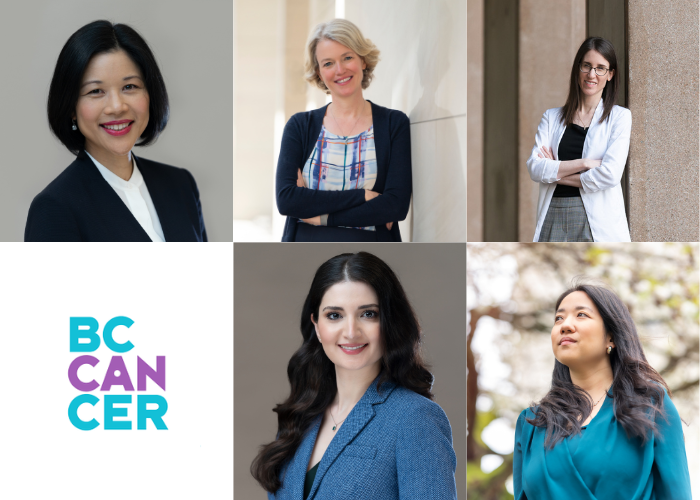
BC Cancer’s 2024 Cancer Emerging Multidisciplinary Research Programs supports research teams to initiate novel multidisciplinary research projects that aim to tackle well-defined issues or problems that affect patients living with cancer or at risk of developing cancer. Funding for the programs is provided through the BC Ministry of Health in collaboration with the BC Cancer Foundation.

2024 Emerging Multidisciplinary Research Programs Recipients: 
BC Cancer 2024 Summer Research Studentship Awards Announced

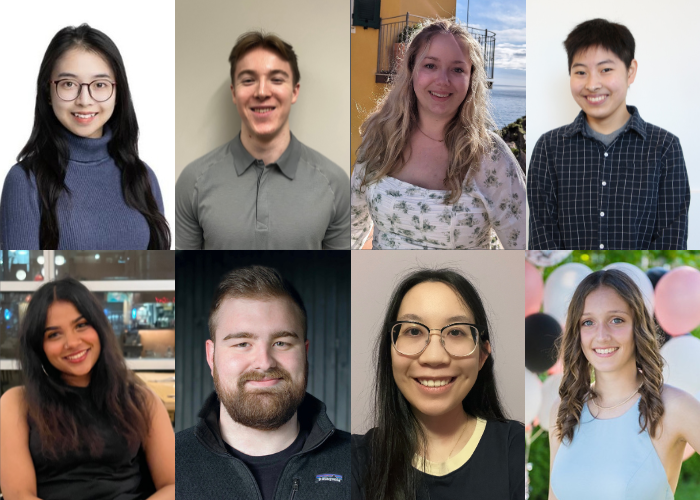
BC Cancer 2024 Summer Research Studentship competition, sponsored by the BC Cancer Foundation, supports senior undergraduate university students and/or junior medical or dental students seeking hands-on training in cancer research in British Columbia. These summer studentships may address any discipline of cancer research including clinical, translational, basic, behavioural and population research areas.

The 2024 awardees are:

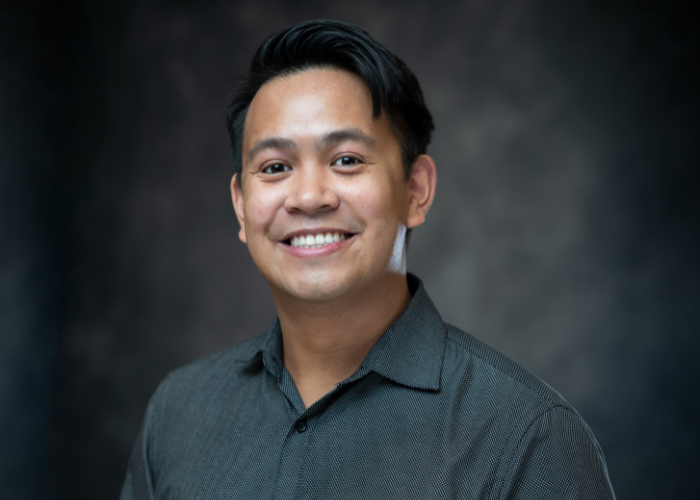
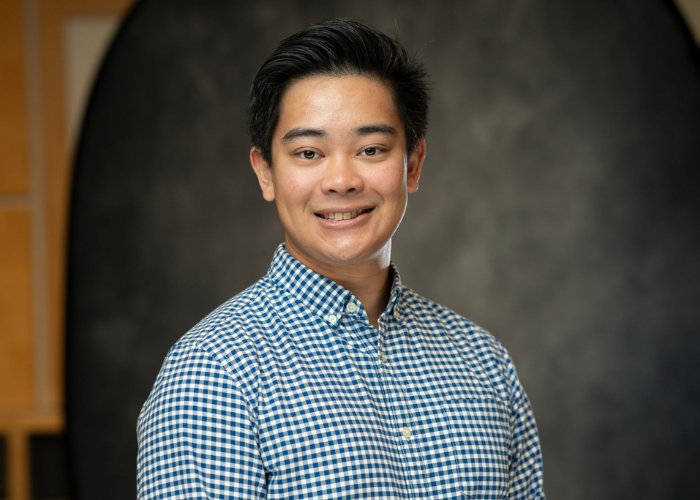
Leo Escano receives CIHR Canada Graduate Scholarships – Doctoral Program Award

Congratulations to Leo Escano (Terry Fox Laboratory), for receiving a Canada Graduate Scholarships – Doctoral Program Award (CGS-D) from the Canadian Institutes of Health Research (CIHR).

The award is tied to his project titled, "Elucidating the mechanisms of immune escape in Cytogenetically Normal AMLs.”

The CIHR CGS-D provides special recognition and support to students who are pursuing a doctoral degree in a health-related field in Canada.

Please join us in congratulating Leo on this achievement!

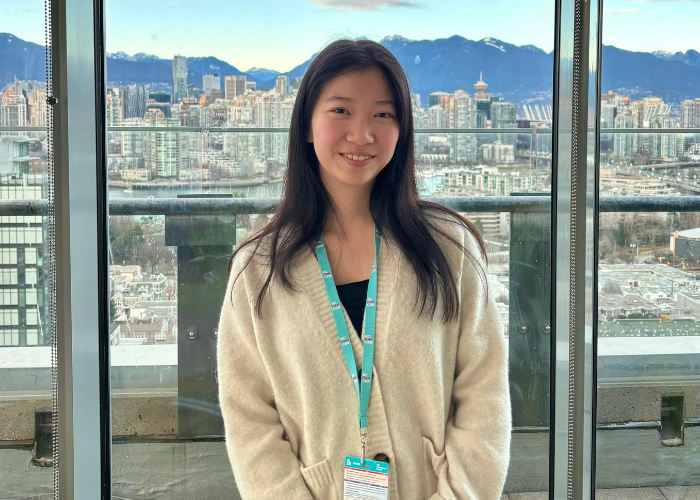
Emily Yeh receives CIHR Canada Graduate Scholarships - Master's Award

Congratulations to Emily Yeh (Terry Fox Laboratory), for receiving a Canada Graduate Scholarships - Master's Award (CGS-M) from the Canadian Institutes of Health Research (CIHR).

The award is tied to her project titled, "Investigating contrasting germline mutations: SETD2 associated neurodevelopment syndromes", which looks at epigenetic dysregulation and transcriptional changes associated with two SETD2 neurodevelopmental syndromes in addition to modeling the mutations in cerebral organoids.

Back to top