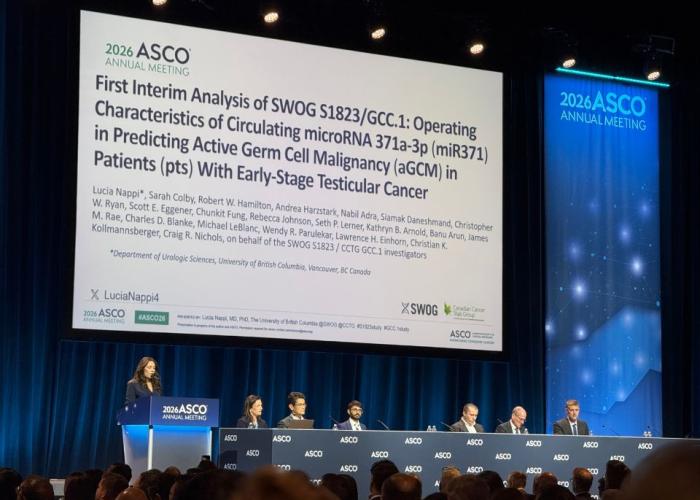

BC Cancer investigators participate in CCTG VISION Leadership Program
Three BC Cancer clinical investigators are participating in the Canadian Cancer Trials Group (CCTG) VISION – Investigator Leadership Training Program, a new education and mentorship initiative focused on developing leadership skills among current and emerging clinical trialists.
Drs. Leah Lambert, Jonathan Loree and Lucia Nappi are part of the inaugural VISION cohort.

Improving health outcomes in breast radiotherapy: A universal solution for every body
For patients undergoing breast radiotherapy to treat their cancer, receiving a high-quality standard of care is important – particularly given they receive treatment over several sessions.
However, this consistency can be challenging to maintain as each patient’s body is different. Positioning the breast accurately is key to ensuring the radiation targets the right area, yet variations in body shape and size can make this difficult.

Small centre, big Impact: Prince George clinicians co-author three Lancet Oncology papers
Investigators from BC Cancer – Prince George (Centre for the North) are co-authors on three international collaborative publications featured in the same issue of The Lancet Oncology.

Blood test expands access to FGFR-targeted therapy for metastatic urothelial cancer
Researchers at BC Cancer Research Institute, led by Dr. Bernie Eigl, director of the Provincial Clinical Trials Office, and Dr. Alex Wyatt, senior scientist and scientific director of the Cancer Genetics and Genomics Laboratory, examined whether a blood test that analyzes cancer-derived DNA found in the blood, called circulating tumour DNA (ctDNA), could help identify more patients with metastatic urothelial carcinoma – an aggressive form of bladder cancer – who are eligible for FGFR-targeted therapy.

UBC AI Fellows Program: Driving Smarter Cancer Care Across BC
Three projects led by BC Cancer researchers and focused on advancing cancer care have been funded through the inaugural UBC AI and Health Network Fellows Program, which supports researchers harnessing artificial intelligence (AI) to transform health research and improve patient care across BC.

Dr. Kim Chi Named a Highly Cited Researcher in 2025
Dr. Kim Chi, medical oncologist and clinician-scientist with BC Cancer, has been named a highly cited researcher in 2025 by Clarivate, a global organization that analyzes academic publications, citations and research impact.
“This recognition reflects my career-long commitment to improving care for people with prostate cancer,” says Dr. Kim Chi, medical oncologist, BC Cancer. “Our research has always been driven by the needs of patients, and this honour highlights the collective efforts of our collaborators, co-investigators and dedicated staff who make this work possible.”
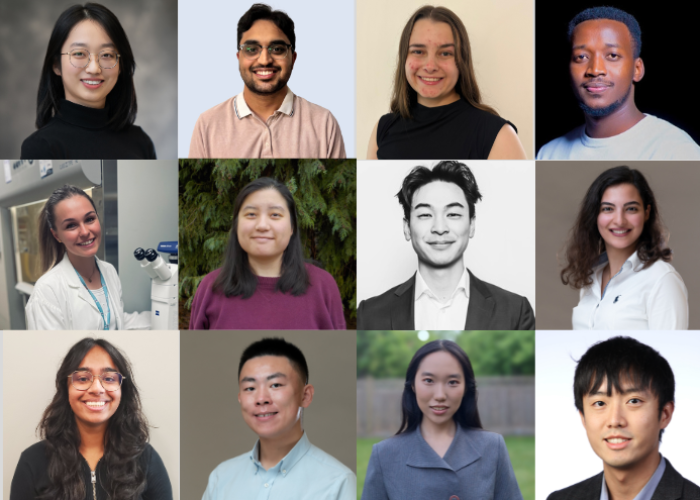
Recipients of BC Cancer Foundation 2025 Rising Stars Graduate Awards competition announced
Congratulations to the recipients of the BC Cancer Foundation (BCCF) Rising Stars Graduate Awards competition!
This year’s awardees are:

Recipients of 2025 BC Cancer Emerging Multidisciplinary Research Programs Announced
BC Cancer’s 2025 Cancer Emerging Multidisciplinary Research Programs supports research teams to initiate novel multidisciplinary research projects that aim to tackle well-defined issues or problems that affect patients living with cancer or at risk of developing cancer. Funding for the programs is provided through the BC Ministry of Health in collaboration with the BC Cancer Foundation.
2025 Emerging Multidisciplinary Research Programs Recipients:
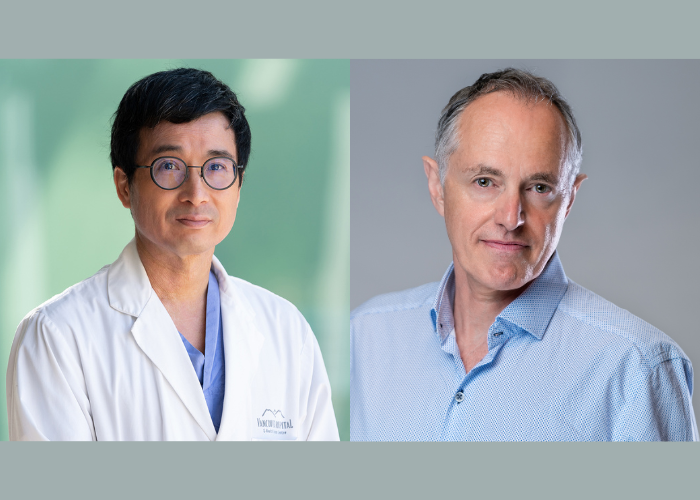
BC Cancer researchers receive UBC Faculty of Medicine Distinguished Achievement Awards
Each year, the UBC Faculty of Medicine (FoM) recognizes faculty members who have made exceptional contributions in the areas of education, research and/or service, and who are dedicated to advancing both the Faculty’s values and vision of transforming health for everyone.
Two BC Cancer researchers are recipients of the 2025 UBC FoM Distinguished Achievement Awards in the following categories:
BC Cancer Foundation is the fundraising partner of BC Cancer, which includes BC Cancer Research. Together with our donors, we are changing cancer outcomes for British Columbians by funding innovative research and personalized treatment and care.