BC Cancer Research supports a vibrant training environment. We welcome general inquires: studentinquiry@bccrc.ca
Students & Trainees
Student Life at BC Cancer Research
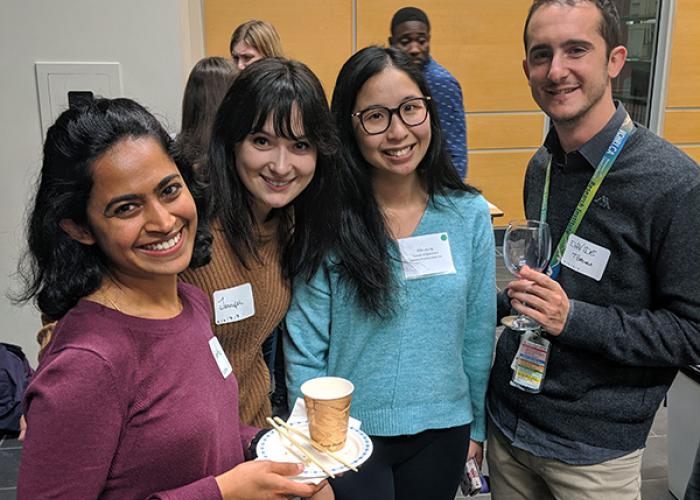
BC Cancer has a diverse, productive, and vibrant student and postdoctoral fellow community comprised of trainees affiliated with various academic departments at the University of British Columbia, Simon Fraser University, and the University of Victoria.
With 580 trainees in 2017/18, students are at the heart of innovation at BC Cancer.
GrasPods
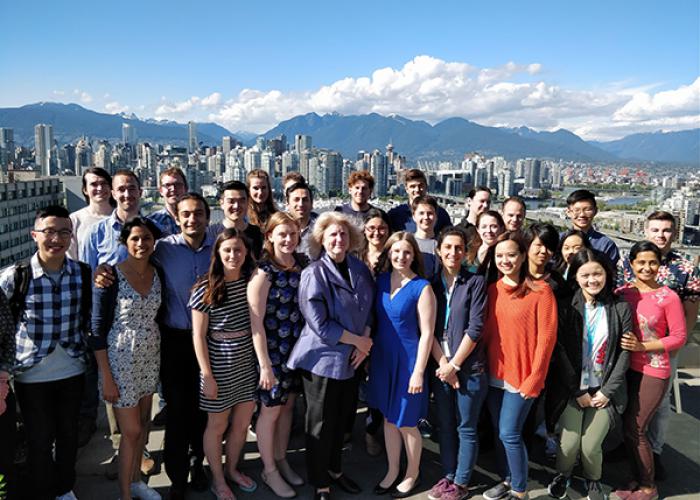
The BCCRC Graduate Student and Post Doctoral Society (GrasPods) is a trainee-run society whose mission is to further enrich the wonderful training environment at BC Cancer by providing academic, social, and personal well-being support for their members.
GrasPods events include:
- Academic Workshops
- Sports
- Trainee Lunches
- Jobs in Science Interview Series
Featured Recruiter

Dr. Tim Lee, PhD
Department Head; Distinguished Scientist
Population Health Sciences
Tim Lee is a Distinguished Scientist who works specifically on early skin cancer detection and epidemiologic research on skin cancer. Tim’s research interests include medical image analysis, artificial intelligence, polarization speckle, computer-aided diagnosis, and risk and prognosis factors of skin cancer.
Research Interests:
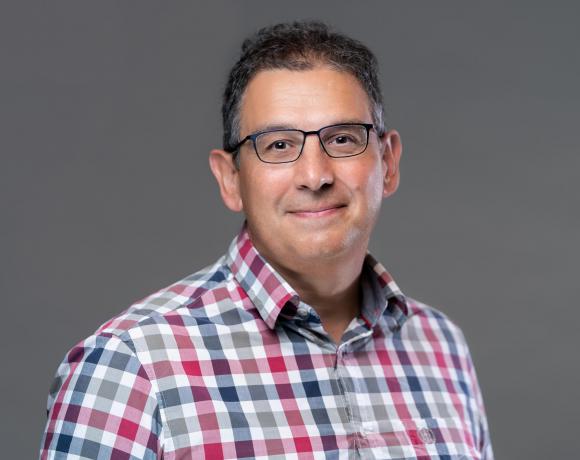
Dr. Samuel Aparicio, BM BCh PhD FRCPath FRSC
Distinguished Scientist
Molecular Oncology
Dr. Samuel Aparicio (BM, BCh, PhD, FRCPath, FRSC) is the Nan & Lorraine Robertson Chair in Breast Cancer Research, holds the Canada Research Chair (Tier 1) in Molecular Oncology and Therapeutics, and is the recipient of the 2014 Aubrey J Tingle Prize. He is a Distinguished Scientist in the Department of Basic and Translational Research at BC Cancer Research, part of the Provincial Health Services Authority, and a Professor in the Department of Pathology and Laboratory Medicine at UBC.

Dr. Stuart Peacock, DPhil
Distinguished Scientist; Co-Director of ARCC
Population Health Sciences
Dr. Stuart Peacock holds the Leslie Diamond Chair in Cancer Survivorship in the Faculty of Health Sciences at Simon Fraser University. He is Co-Director of the Canadian Centre for Applied Research in Cancer Control (ARCC) and a Distinguished Scientist at BC Cancer. From 2017-22, he was Head of the Department of Population Health Sciences (formerly known as Cancer Control Research) at BC Cancer, having served as Deputy Head from 2012-16. In 2020, he was inducted as a Fellow of the Canadian Academy of Health Sciences.
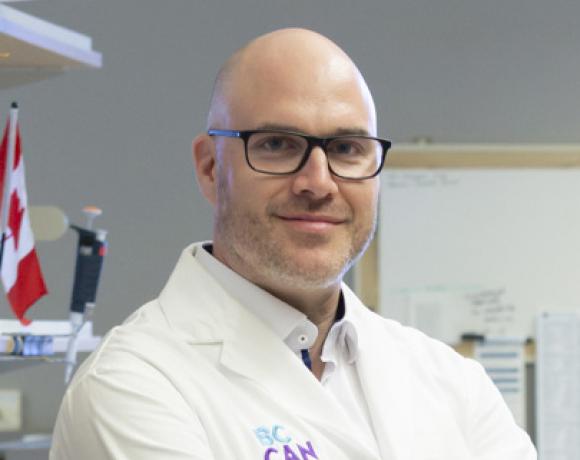
Florian Kuchenbauer, MD, PhD
Distinguished Scientist, Terry Fox Laboratory, BC Cancer
Terry Fox Laboratory
Dr. Florian Kuchenbauer received his M.D. education at the Ludwig-Maximilians-University in Munich, Germany in 2001 and completed an M.D. thesis at the Max-Planck-Institute for Psychiatry in 2002. He then started residency training at the Department of Hematology/Oncology, Klinikum Grosshadern, Munich, Germany (2001-2004) before obtaining a PhD degree at the Terry Fox Laboratory, BC Cancer and Department of Experimental Medicine, University of British Columbia under the supervision of Dr. Keith Humphries (2005-2009).
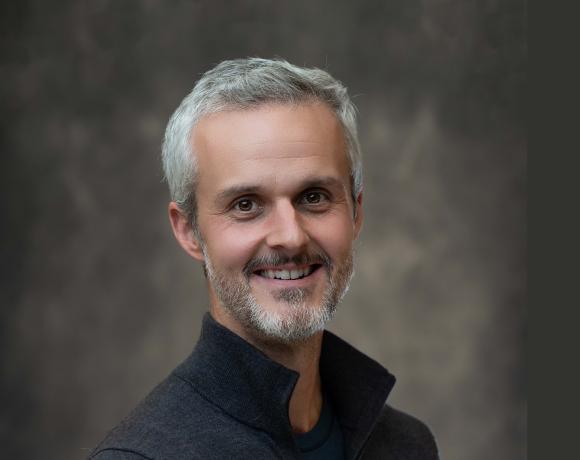
Peter Stirling, PhD
Theme Lead & Distinguished Scientist
Terry Fox Laboratory
My lab is using functional genomics, molecular biology, biochemistry, and imaging in both the yeast model and cultured human cells to study fundamental mechanisms of genome maintenance and stability. Failure to maintain genome integrity leads to mutations that can promote tumour formation. Normal genome maintenance mechanisms can be overwhelmed by carcinogen exposure, or the presence of germline or somatic variants that induce genomic instability.
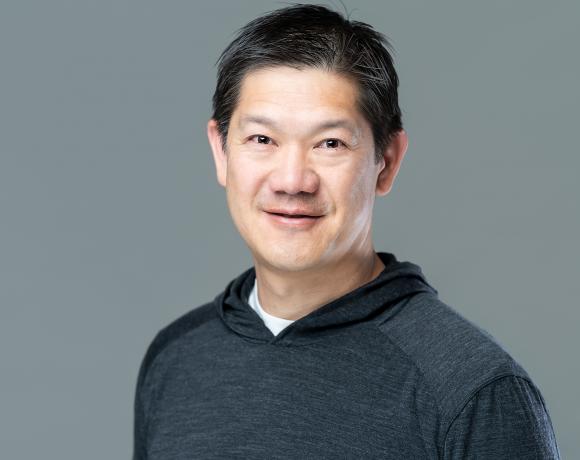
Andrew Weng, MD, PhD
Distinguished Scientist
Terry Fox Laboratory
Dr. Andrew Weng pursued his undergraduate studies in Biological Sciences at Stanford University before earning both MD and PhD degrees from the University of Chicago/Pritzker School of Medicine. His professional journey continued with residency training in Anatomic Pathology and a fellowship in hematopathology, followed by postdoctoral research at Brigham & Women’s Hospital in Boston.
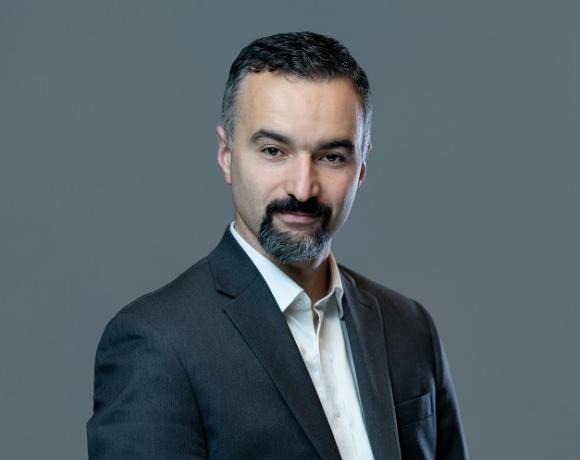
Dr. Arman Rahmim, PhD, DABSNM
Distinguished Scientist
Integrative Oncology
Dr. Rahmim is Professor of Radiology, Physics and Biomedical Engineering at the University of British Columbia (UBC), as well as Distinguished Scientist and Provincial Medical Imaging Physicist at BC Cancer. He received his MSc in condensed matter physics and PhD in medical imaging physics at UBC.

Dr. Rachel Murphy, PhD
Senior Scientist
Population Health Sciences
Dr. Rachel Murphy is a Senior Scientist at the BC Cancer and an Associate Professor at the School of Population and Public Health, University of British Columbia. She received her PhD in Nutrition and Metabolism from the University of Alberta and completed a post doctorate in the Laboratory of Epidemiology, and Population Sciences at the National Institute on Aging in the United States. Her research program aims to advance the understanding of relationships between diet, nutrition and chronic disease, particularly cancer.
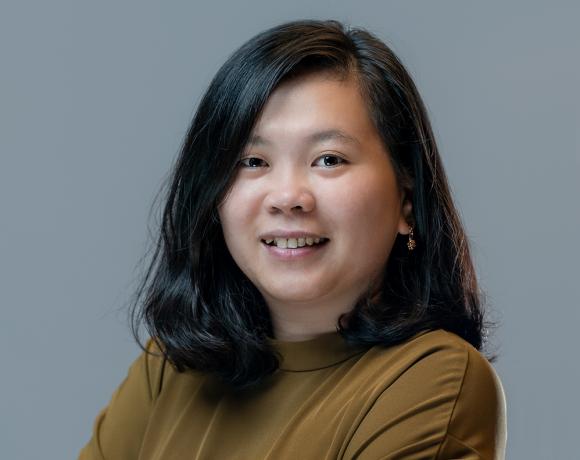
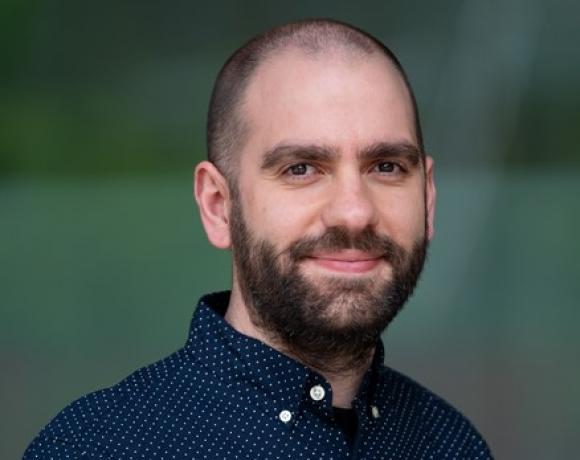
Dr. Leandro Venturutti, PhD
Scientist
Lymphoid Cancer Research
Dr Leandro Venturutti began his scientific career at the Faculty of Pharmacy and Biochemistry (University of Buenos Aires, Argentina), where he studied the structure and function of a protein lost in the hereditary neurodegenerative disease Friedreich Ataxia. Pursuing his profound interest in biomedical sciences and mechanisms of disease, he moved on to the cancer research field for his PhD studies.
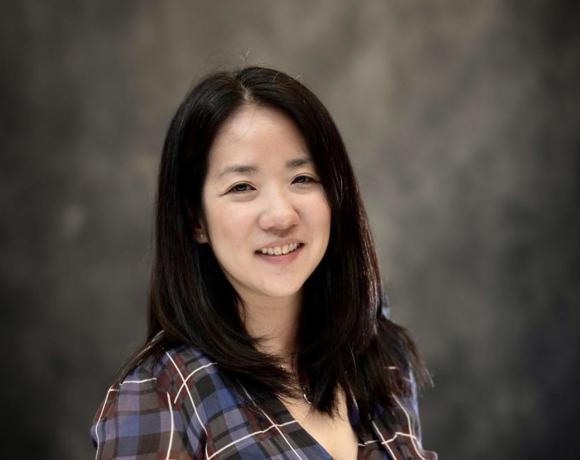
Carol Chen, PhD
Scientist
Terry Fox Laboratory
Dr. Carol Chen was born in Taipei, Taiwan and grew up in Calgary, Alberta. She obtained her PhD in the lab of Dr. Matthew Lorincz at the University of British Columbia, where she studied chromatin mechanism of transcription, specifically looking at histone phosphorylation. She then completed a post-doc fellowship in the lab of Dr. Nada Jabado at McGill University, where she studied histone mutations found in cancer and germline developmental disorders. In 2023, she joined Terry Fox Laboratory at BC Cancer to start her own independent research group.

Dr. Denise Laronde, PhD
Distinguished Associate Scientist; Professor, UBC
Population Health Sciences
Professor ǀ OBMS ǀ Faculty of Dentistry
Director, BC Oral Cancer Prevention Program: http://www.bccancer.bc.ca/health-professionals/clinical-resources/oral

Dr. Jennifer Ritonja, PhD
Scientist
Population Health Sciences
Dr. Jennifer Ritonja is a Scientist at the BC Cancer Research Centre.

Sarah Crome, PhD
Senior Scientist
Terry Fox Laboratory
Dr. Crome joined BC Cancer in 2025 after serving as a Senior Scientist at the University Health Network and Associate Professor at the University of Toronto, where she held a Tier 2 Canada Research Chair in Tissue-Specific Immune Tolerance. There, Dr. Crome led single-cell profiling efforts defining tissue-resident immune programs in the human kidney, transplantation, and inflammatory disease, including the first comprehensive single-cell atlas of healthy human kidney.
Selected Affiliated Academic Departments
UBC Interdisciplinary Oncology Program (IOP)
The UBC Interdisciplinary Oncology program (IOP) is a graduate program designed to appeal to a broad range of students interested in cancer research. IOP offers advanced study and research in a variety of fields relating to oncology.
UBC Medical Genetics
The UBC Department of Medical Genetics is an inspiring and productive community of scholars of genetics and genomics. Faculty members in the Department of Medical Genetics are at the forefront of their fields using cutting edge genetic, epigenetic, genomic, and bioinformatic methodologies to gain insight into diseases such as cancer.
UBC Pathology and Laboratory Medicine
The UBC Department of Pathology and Laboratory Medicine offers the opportunity to study with numerous world-renowned faculty and research programs, many of which work at BC Cancer. The Department of Pathology will consider and train students with varied backgrounds in science and medicine.
UBC Bioinformatics
The UBC Bioinformatics program integrates academic centres in computer science, statistics, molecular biology and biotechnology, with translational groups at hospitals and at the clinical interface. This innovative partnership between the University of British Columbia, Simon Fraser University and BC Cancer allows students to interact with experts in the field of bioinformatics, and opportunities to complete work on real bioinformatics problems.
UBC Experimental Medicine
The Experimental Medicine Program is intended for trainees seeking a career in research, offering opportunities and facilities for advanced studies in experimental medicine, leading toward the M.Sc. and Ph.D. degrees. Faculty members of the Experimental Medicine program conduct research in a wide range of basic and clinically relevant areas.
UBC Reproductive and Developmental Sciences
The UBC Reproductive and Developmental Sciences Program (RDS program) is the only graduate program in Canada based in a Department of Obstetrics and Gynecology. RDS students have the opportunity to interact with basic science and clinical research faculty, which can lead to the development of research projects addressing important clinical issues for women.
UBC Biochemistry and Molecular Biology
The Department of Biochemistry and Molecular Biology offers opportunities for research fundamental to advancing basic science and which may be translated to help tackle human disease. The graduate programs in Biochemistry and Molecular Biology prepare students for careers in academic, industrial or professional positions in British Columbia and beyond.
UBC Pharmacology and Therapeutics
Graduate studies in Pharmacology and Therapeutics allow students to gain broad-based exposure to fundamental as well as medically-related aspects of drug research. Faculty members are engaged in research in clinical pharmacology as well as drug development, and students pursuing an advanced degree will have the opportunity to interact with basic as well as clinical scientists.
SFU Molecular Biology and Biochemistry
The SFU Department of Molecular Biology and Biochemistry (MBB) is noted for producing a significant number of prominent industry leaders and researchers. The MBB provides flexibility for students to tailor their degree to suit their interests and goals, and now includes the option of an Interdisciplinary Oncology Graduate Specialization in partnership with the BC Cancer to train the next generation of cancer research leaders.
UBC School of Population and Public Health (SPPH)
The School of Population and Public Health at UBC offers several research-oriented programs leading to degrees including Master of Health Science (MHSC), Master of Science in Population and Public Health (MSC PPH) or Doctor of Philosophy in Population and Public Health (PhD) as well as several professional programs including Masters of Public Health (MPH), Master of Health Administration, or Master of Science in Occupational and Environmental Hygiene (MSc OEH).
SFU Faculty of Health Sciences (FHS)
The Faculty of Health Science at SFU is a recognized leader in integrated health science research offering three distinct graduate programs, including a Master of Public Health, or research-intensive MSc and PhD programs which prepare students for success in academia and beyond.
BC Cancer Foundation is the fundraising partner of BC Cancer, which includes BC Cancer Research. Together with our donors, we are changing cancer outcomes for British Columbians by funding innovative research and personalized treatment and care.